
Tips for Caring for a Senior Pet
Keep Your Senior Pet Healthy, Comfortable, and Active
Our pets are family, and as they grow older, they deserve the same love, patience, and attention they've given us throughout their lives. While senior pets may slow down with age, they can continue to enjoy happy, fulfilling lives with the right care.
Understanding their changing needs and making a few adjustments to their daily routine can help keep them healthy, comfortable, and active for years to come.
Understand and Adjust to Your Dog or Cat's Needs
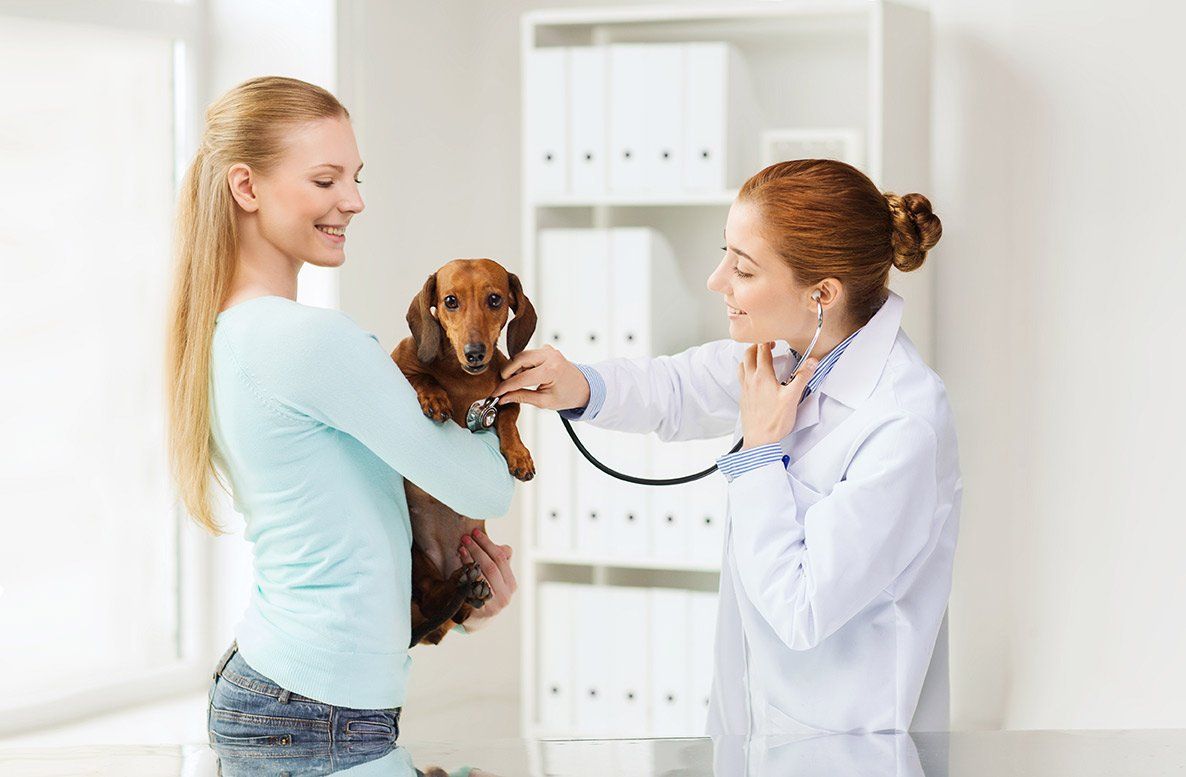
Schedule Routine Veterinary Exams
As pets age, regular veterinary visits become increasingly important. Senior dogs and cats are more susceptible to conditions such as arthritis, diabetes, kidney disease, heart disease, and dental problems. Routine wellness exams allow your veterinarian to detect health concerns early, monitor existing conditions, and recommend treatments before problems become more serious.
Annual exams are often sufficient for younger pets, but many veterinarians recommend checkups every six months for senior animals.
Feed a Diet Designed for Senior Pets
Nutritional needs change as pets age. Older pets may require fewer calories to maintain a healthy weight while benefiting from increased nutrients that support joint health, digestion, and cognitive function. Your veterinarian can recommend the best food based on your pet's age, breed, weight, and overall health.
Always provide fresh water and monitor your pet's appetite, as changes in eating or drinking habits can sometimes indicate underlying medical conditions.
Keep Your Pet Moving
Exercise remains an important part of a senior pet's routine, even if they aren't as energetic as they once were. Regular, low-impact exercise helps maintain muscle strength, flexibility, and a healthy weight while supporting joint health.
For dogs, shorter walks and gentle play sessions are often ideal. Cats benefit from interactive toys, climbing structures with easy access, and activities that encourage light movement without overexertion.
Create a Comfortable Home Environment
Small changes around your home can greatly improve your pet's comfort. Consider adding orthopedic pet beds to support aging joints, placing non-slip rugs on slippery floors, and installing ramps or pet stairs to help them reach furniture or get into vehicles safely.
Keeping food, water, and litter boxes easily accessible can also make daily life much easier for senior pets with mobility challenges.
Watch for Changes in Behavior
Senior pets often hide signs of discomfort, making it important to pay attention to subtle changes in their behavior. Increased sleeping, difficulty climbing stairs, accidents in the house, changes in appetite, excessive thirst, or decreased interest in activities they once enjoyed may all be signs that something isn't right.
If you notice any unusual changes, schedule an appointment with your veterinarian promptly. Early diagnosis often leads to more effective treatment and a better quality of life.
Prioritize Dental Health
Dental disease is common in older pets and can contribute to pain, infections, and even organ damage if left untreated. Regular dental cleanings, daily brushing when possible, and veterinarian-approved dental treats or chews can help maintain healthy teeth and gums.
Give Them Extra Love and Patience
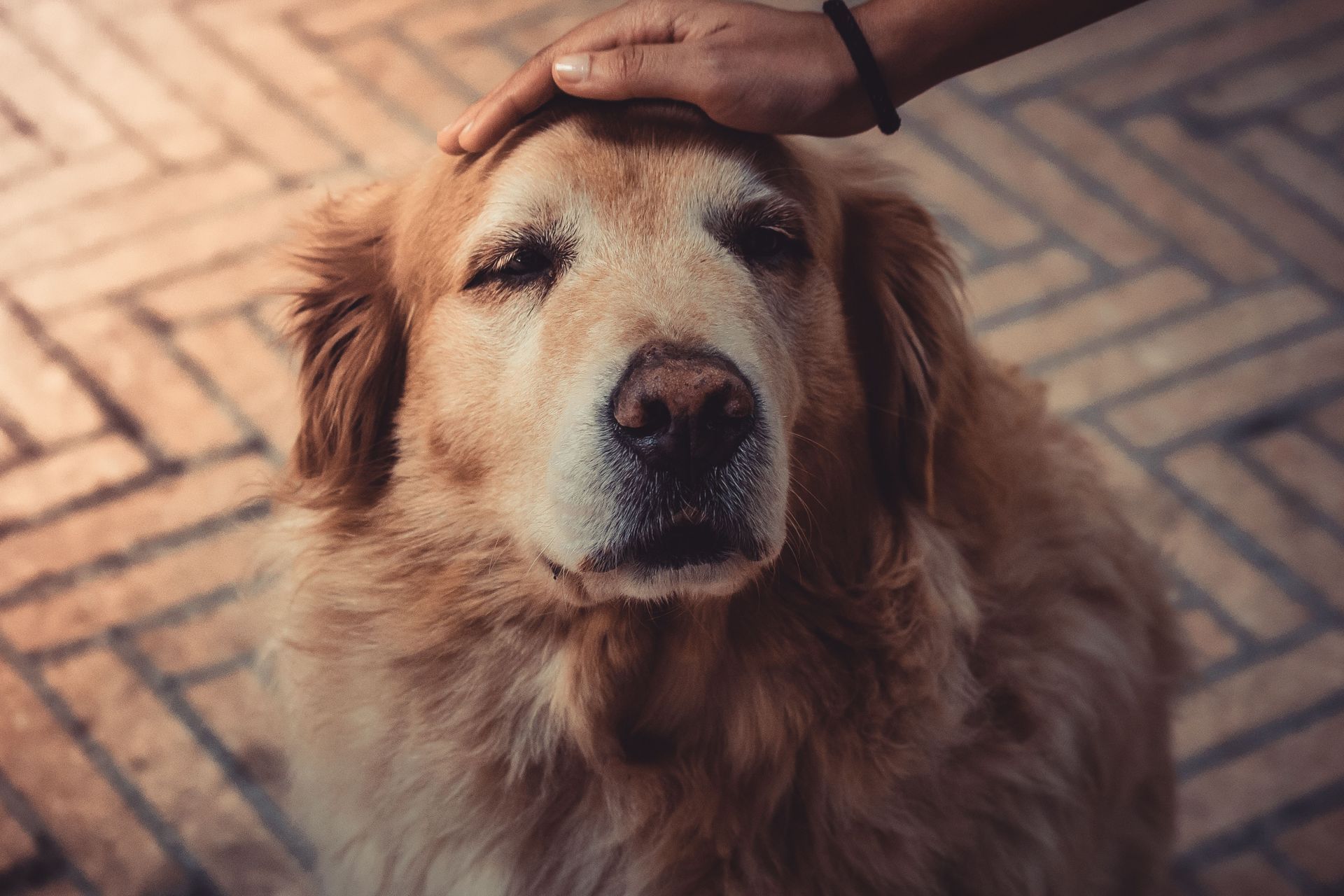
Aging can sometimes affect your pet's vision, hearing, or memory. They may become anxious, confused, or slower to respond than they were in their younger years. Maintaining a consistent routine and offering plenty of affection can help reduce stress and provide reassurance.
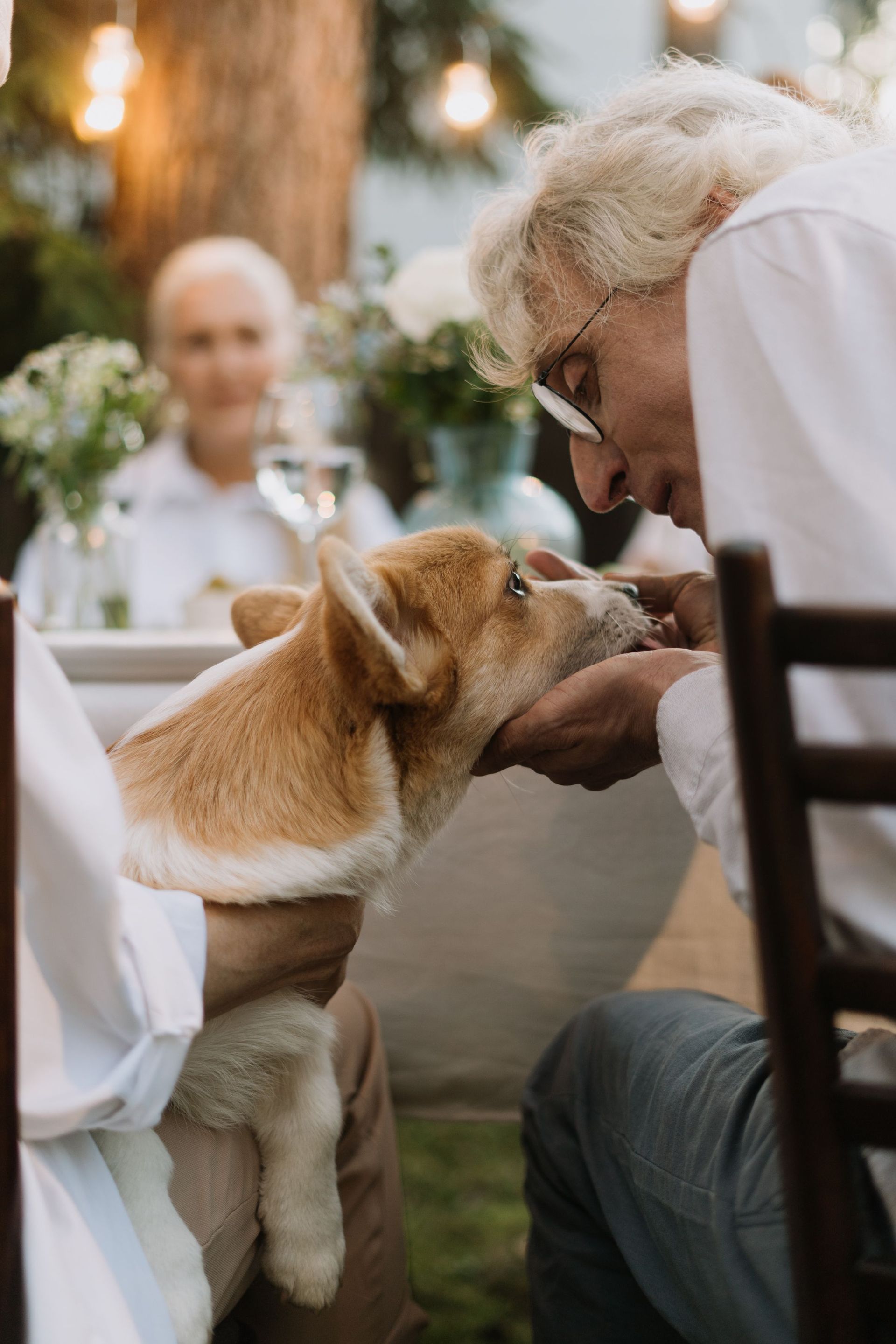
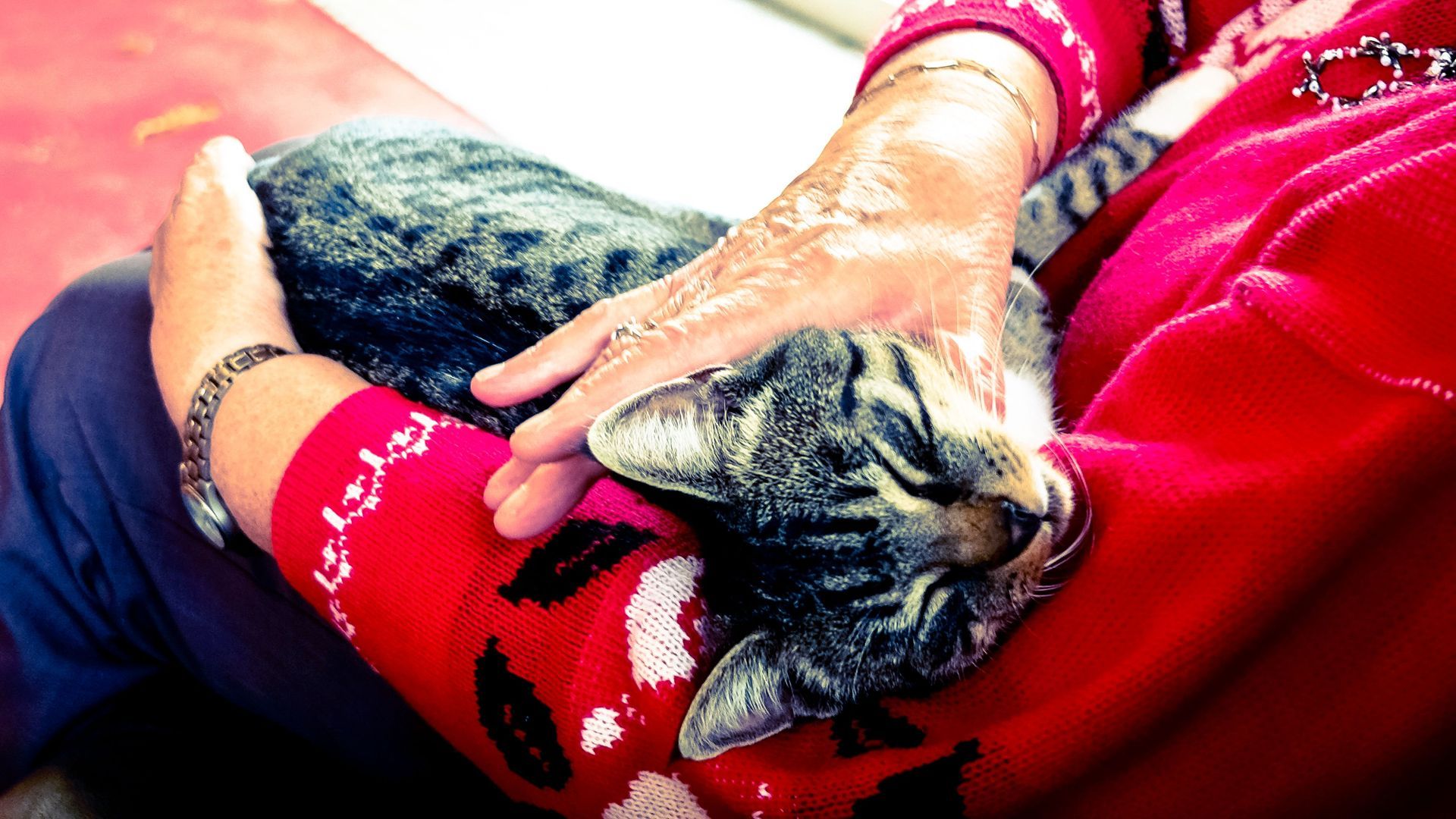
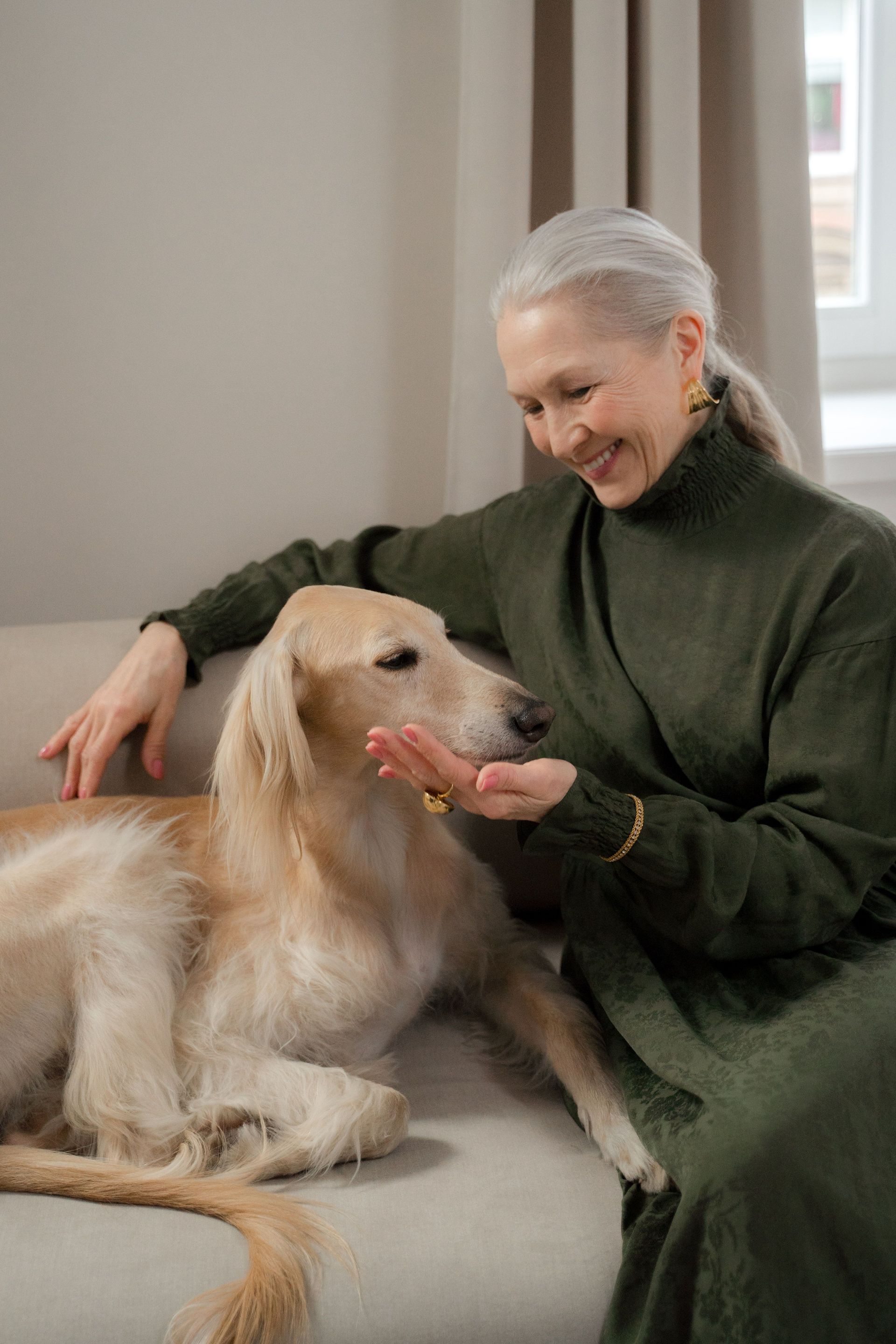
The bond you share with your pet becomes even more meaningful during their senior years, and spending quality time together is one of the greatest gifts you can give them.
Contact Our Vet Clinic Today to Schedule a Wellness Visit!
Growing older doesn't mean your pet can't continue living a happy, active life. One of the best ways to support your senior companion is by scheduling regular wellness visits. Because pets naturally hide signs of illness, routine nose-to-tail exams can help your veterinarian detect age-related conditions early, monitor changes in weight and overall health, keep vaccinations current, and recommend diagnostic testing or dietary adjustments before minor concerns become serious. Senior pets often benefit from wellness exams every six months, allowing for closer monitoring and more proactive care.
At Cottage Animal Clinic, we're committed to helping your pet enjoy their golden years through personalized preventive care designed to keep them healthy, comfortable, and by your side for as long as possible. If you've noticed changes in your pet's behavior or it's time for their next checkup, contact our team today to schedule a wellness visit.